
Home Away from Home for the Holidays: Bringing Cheer and Belonging to Kids in Foster Care
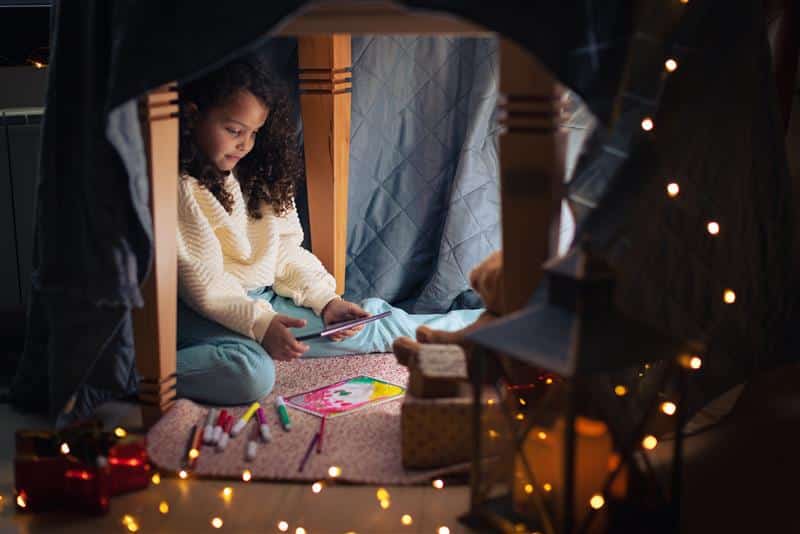
The holidays have a way of stirring up something deep inside of us—the smell of cinnamon and pine, the glow of twinkling lights, the sound of laughter spilling from a full kitchen. For many of us, it’s a time of warmth, comfort, and belonging.
But for children in foster care, this season can feel different. It can be a painful reminder of what’s missing. They may be separated from family, unsure of where they’ll celebrate, or longing for the comfort of the familiar. While others are surrounded by family and familiar traditions, many kids spend the holidays adjusting to new homes, new people, and new rhythms—sometimes miles away from everything they’ve ever known.
That’s why this year, we’re inviting caring hearts in our community to join our Home Away from Home for the Holidays campaign—an effort to ensure every child in care feels love, inclusion, and a true sense of home during this special season.
Home Is More Than a Place—It’s a Feeling
The holidays remind us what “home” truly means. It’s not just a place, it’s a feeling of warmth, too. When a child enters foster care, they leave behind more than just a house—they leave behind memories, routines, and traditions that make them who they are. The Home Away from Home for the Holidays campaign was created to remind us that being a resource foster parent isn’t only about providing a safe place to sleep. It’s about offering something much deeper: a sense of belonging.
We believe every child deserves to be seen, celebrated, and cherished, especially when the world feels festive and families gather close. As a resource foster parent or volunteer, you have the power to make that happen.
Even small acts of kindness can help restore a child’s sense of trust and stability.
The Holidays Can Be Hard, but also Healing (for the Whole Family)
Foster care isn’t just about caring for children—it’s about strengthening families and communities in Oregon. While resource foster parents offer stability and care, birth families are given the time and support they need to rebuild and heal. Foster care exists to help families recover, grow stronger, and, when possible, find their way back to one another. The majority of children enter care not because of anything they’ve done, but because the adults meant to protect them have been unable or unwilling to do so and need time and support to get help and heal. During that time, they need a home away from home—a place filled with safety, kindness, and hope.
The holidays offer beautiful opportunities for connection. A resource foster parent might help a child send a holiday card to their mom, share a family photo with their dad, or include a favorite holiday tradition from their birth family’s home.
When foster care works as it’s meant to, children remain connected to their birth/primary families. By honoring those relationships, resource foster parents help children feel whole and give parents hope that healing and reunification are possible.
Honoring Traditions and Creating New Ones
Every child carries their own story, and often, their own traditions. Maybe it’s a certain meal they used to share with a loved one, a favorite holiday movie they always watched together, or a small ritual that brings comfort. It’s also possible that a child in foster care may have no previous holiday traditions—in which case, what a meaningful opportunity to create some with their input that offer connection, belonging, and inclusion.
Welcoming a child into your home during the holidays (and beyond) is a beautiful opportunity to listen—to ask what matters to them, what makes the season special, and how they’d like to celebrate.
It might mean baking the cookies they remember from home, playing their favorite board games, or helping them video call a sibling or family member. It could mean learning about traditions different from your own—like lighting a menorah, decorating a tree, or celebrating Kwanzaa together.
For children in foster care, those traditions are important links to their identity.
When resource foster parents make space for them—even in small ways—they send a powerful message: “Your story matters here.”
Consider asking a child about what makes the holidays special to them. Sharing traditions shows respect, empathy, and care. All are key elements of trauma-informed fostering. And along the way, you’ll start creating new memories, ones built on kindness, understanding, and love.
Because the holidays aren’t about perfection, they’re about presence.
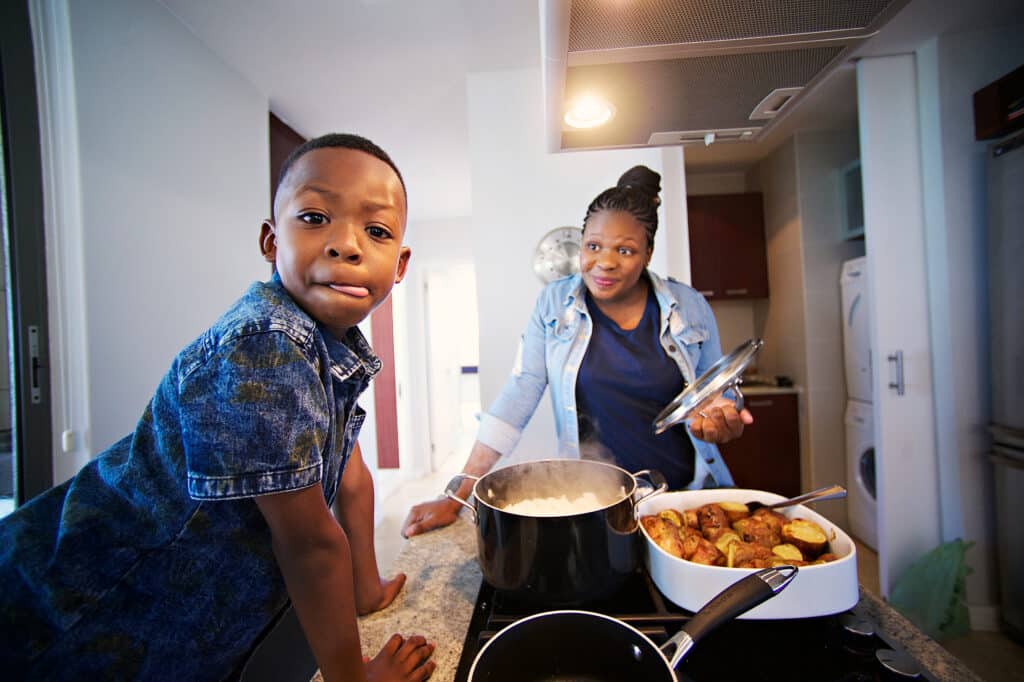
Food is more than a meal. It’s a taste of home
Food is more than nourishment. It’s memory, connection, and love. The smells, flavors, and traditions tied to the meals we share often remind us of where we come from and who we belong to. During the holidays, those familiar dishes become symbols of comfort and home.
For children in foster care, food can carry powerful emotions and memories. A plate of mac and cheese made just like mom’s, collard greens and cornbread made with loving hands, or a favorite sweet treat that brings back the sound of laughter at the family table. These aren’t just recipes. They’re reminders of love, identity, and continuity in a time of change.
When foster families make space for those foods and traditions, they do something deeply meaningful. They create a sense of comfort and belonging. By inviting a child’s favorite meal to their table, resource foster parents aren’t just offering dinner, they’re offering connection, dignity, and warmth.
Comfort food is powerful and has a language all its own. For many children, it’s how love is felt when words are too hard to find—a small, beautiful way to bring healing and home to the heart.
Stories of Love and Belonging
The holidays can stir big feelings for children in foster care—excitement, sadness, hope, and everything in between.
A safe, supportive foster home offers a place to express those feelings and still find joy (because feeling multiple things at the same time, especially around the holidays, is normal)!
One resource foster parent shared, “Last Christmas, we made ornaments together. Each one told a story about a person or place they loved. It was our way of honoring where they came from while building something new together. Those ornaments are now the most meaningful decorations on our tree.”
Another said, “I’ll never forget when our foster son showed us how his grandmother used to make tamales for the holidays. That night, the whole kitchen smelled like joy. He smiled the whole time. We packed some tamales for him to take to his visit with his mom the next day to surprise her. I could tell it meant the world to him.”
These small moments—listening, sharing, creating—are what turn a house into a home away from home for the holidays.
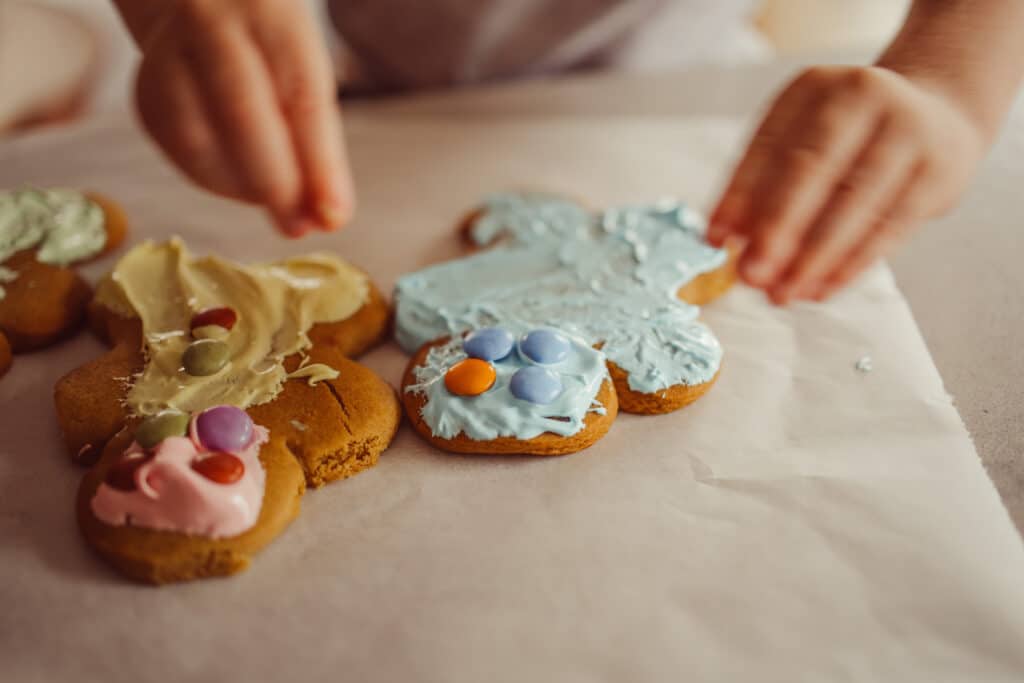
Why This Season Matters So Much for Kids in Foster Care
There are ~400,000 children in foster care across the U.S., and thousands of them will spend the holidays away from their biological families. Many in Oregon are waiting for resource foster parents who can offer stability, comfort, and care not only during this season, but throughout the year.
Children in care don’t need grand gestures—they need connection. They need someone who will show up, keep promises, and make space for their stories.
This holiday season, you can be that someone.
How You Can Help
There are so many ways to open your heart and home this season:
- Learn about fostering. Connect with Every Child Oregon to learn more about how to become a resource foster parent and make a difference in a child’s life for the holidays and beyond!
- Support foster families by volunteering. Offer to provide meals, donate gifts, or help with childcare during the busy holiday season. Connect to opportunities in your local community to get involved in supporting kids and families impacted by foster care.
- Spread the word. Share this message online, at your workplace, or in your community and inspire others to get involved.
Even one small act of kindness can ripple outward, changing a child’s experience of the holidays—and maybe their life.
This season, give the gift of belonging. Open your heart. Open your home.